
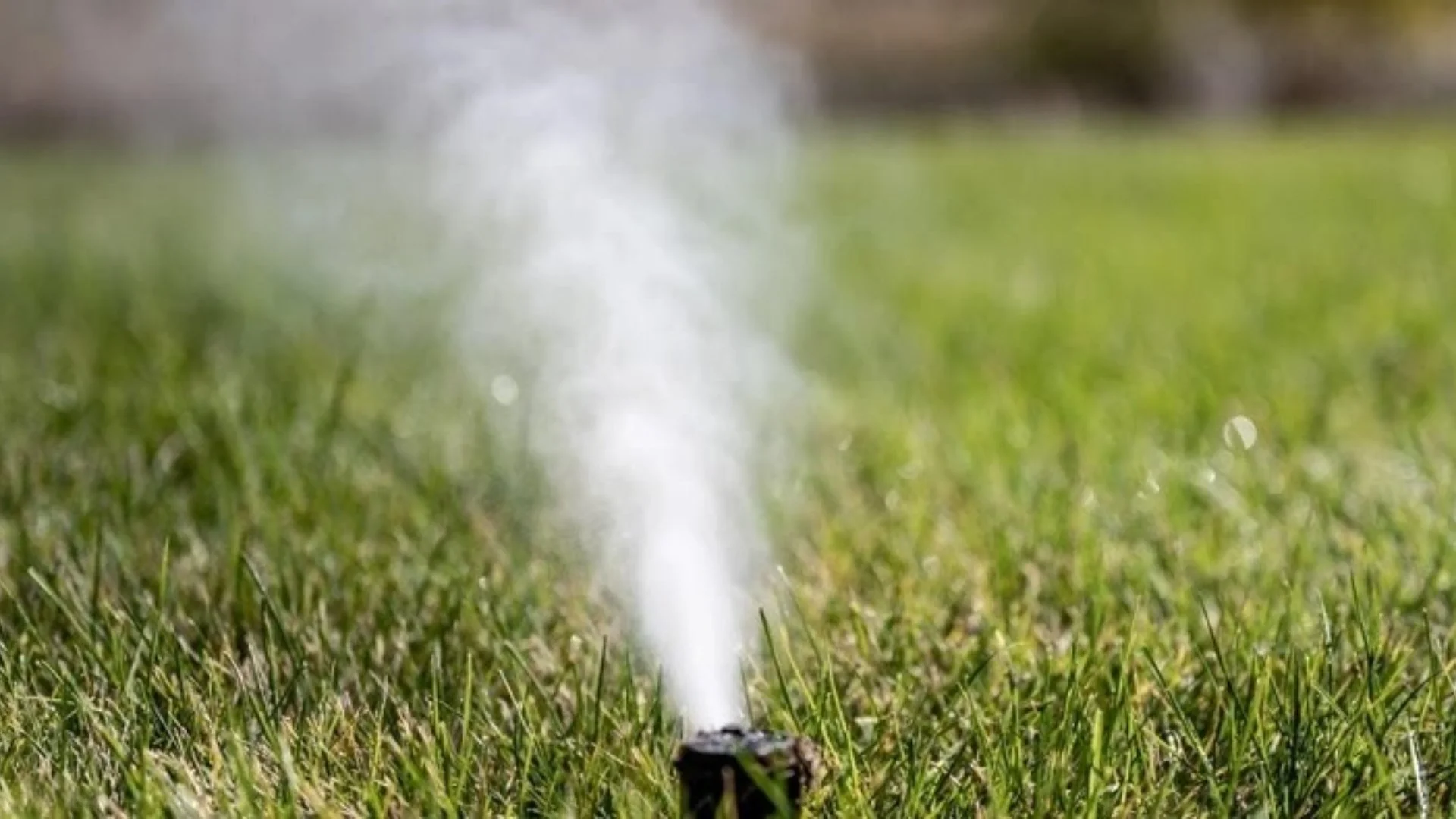
Winterizing your irrigation system is a crucial step in preparing it for the winter months in Iowa. This process involves shutting down the system, turning off the water supply, and blowing out the lines to remove any remaining water. By doing so, you prevent the risk of water freezing in the lines, which can lead to cracked or burst pipes and costly damage come spring. Additionally, winterizing protects your sprinkler heads from damage caused by trapped water freezing over. To ensure your irrigation system is properly winterized, it is recommended to complete the process before the first frost. By taking these precautions, you can safeguard your system and avoid potential issues when the warmer weather returns.
Winterizing your irrigation system prepares it for the winter.
Winterizing your irrigation system is a crucial step in preparing it for the winter months. This process involves shutting down the system and turning off the water supply to prevent any potential damage caused by freezing temperatures. By winterizing your irrigation system, you are taking proactive measures to protect your investment and ensure its longevity.
One of the key steps in winterizing your irrigation system is blowing out the lines to remove any remaining water. This is done by using compressed air to force the water out of the pipes and sprinkler heads. By removing the water, you eliminate the risk of it freezing and causing damage to the system.
Another important aspect of winterizing your irrigation system is turning off the water supply. This prevents any water from entering the system and potentially freezing in the pipes. By shutting off the water supply, you are minimizing the risk of water damage and ensuring that your system is ready to be turned on again in the spring.
What happens if you don't winterize your irrigation system?
If you neglect to winterize your irrigation system, you run the risk of the water in your lines freezing over. When water freezes, it expands, and this expansion can crack and break the pipes or cause them to burst. This can lead to costly damages come spring when you turn on your system and discover the leaks.
Additionally, your sprinkler heads could become damaged if you don't winterize your system. Water can get trapped in the sprinkler heads and freeze over, causing them to crack or break. This can result in uneven water distribution and inefficient irrigation once the system is turned on again.
By failing to winterize your irrigation system, you are putting yourself at risk of costly repairs and potential water damage to your property. It is always better to take the necessary steps to protect your system and avoid any unnecessary expenses.
When should you winterize your irrigation system?
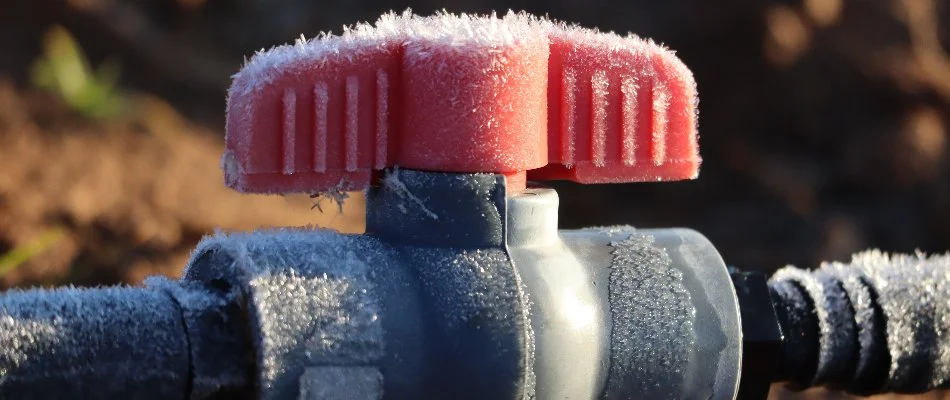
To ensure the protection of your irrigation system, it is recommended to winterize it before the first frost. The first frost typically occurs in late fall or early winter, depending on your location. By winterizing your system before this time, you can prevent any potential damage caused by freezing temperatures.
It is important to keep an eye on the weather forecast and plan accordingly. Once the temperatures start to drop and the risk of frost becomes imminent, it is time to schedule the winterization of your irrigation system. This will give you enough time to properly shut down the system, turn off the water supply, and blow out the lines.
Give us a call today to schedule our irrigation winterization service.
At Outdoors by JK, we understand the importance of protecting your irrigation system from freeze damage. That's why we offer our irrigation winterization service to property owners in Waukee, IA, and nearby areas like Urbandale and Clive. Our team will visit your property to shut off the water and the controller, then blow out the system using compressed air to ensure there's no more water in the pipes. Give us a call today at (515) 330-1123 to schedule our irrigation winterization service and protect your investment in your landscape.




Comments (0)
Thanks for your comment!
Thanks for your feedback! Your comments have been successfully submitted! Please note, all comments require admin approval prior to display.
Error submitting comment!
There is a problem with your comment, please see below and try again.