
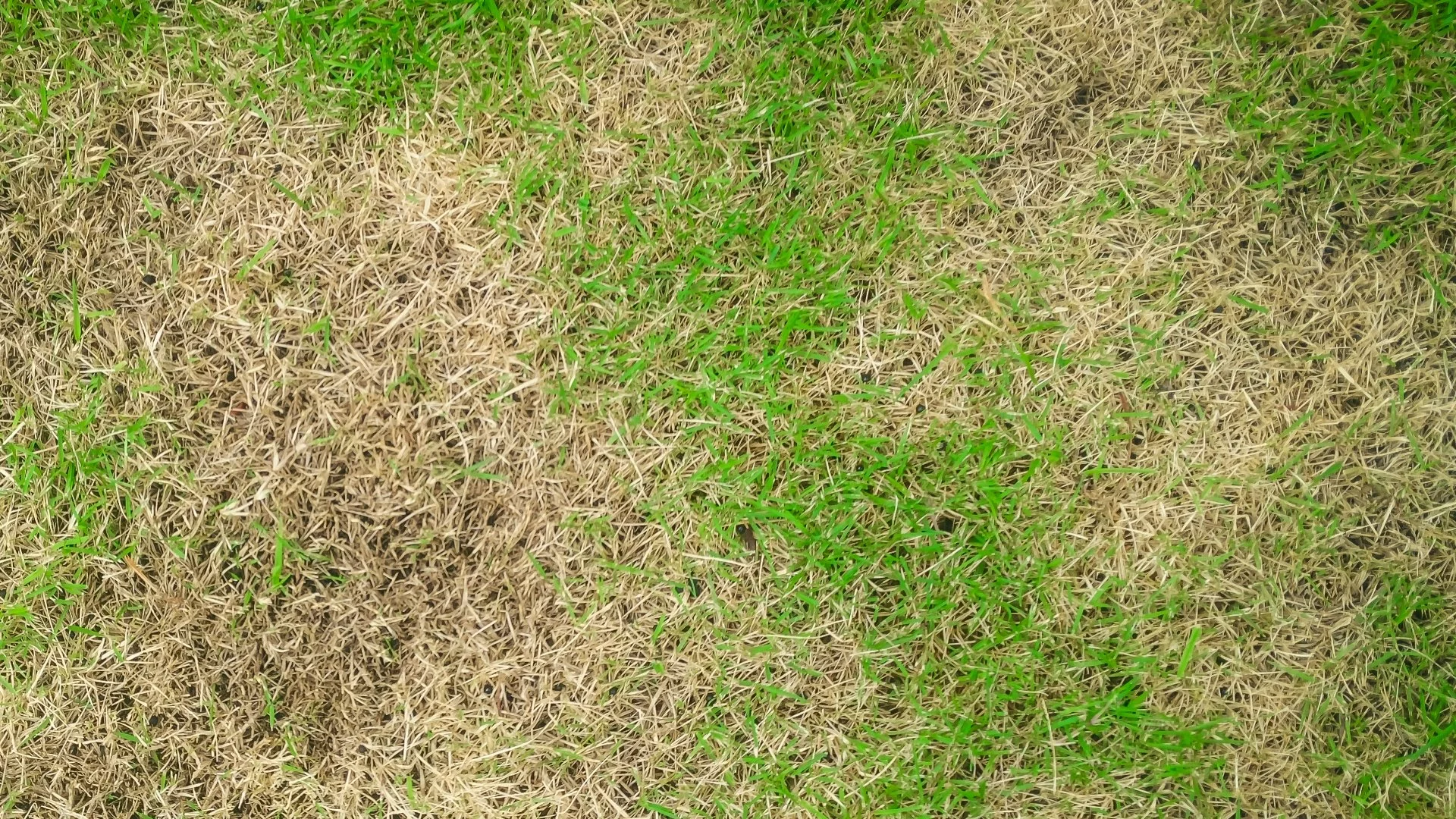
Lawns in Waukee, IA, are susceptible to various lawn diseases that can cause significant damage if left untreated. Some of the most common lawn diseases in the area include summer patch, leaf spot, dollar spot, powdery mildew, and necrotic ring spot. These diseases can cause unsightly brown patches, dead grass, and other issues that can detract from the beauty of your lawn.
1. Summer Patch
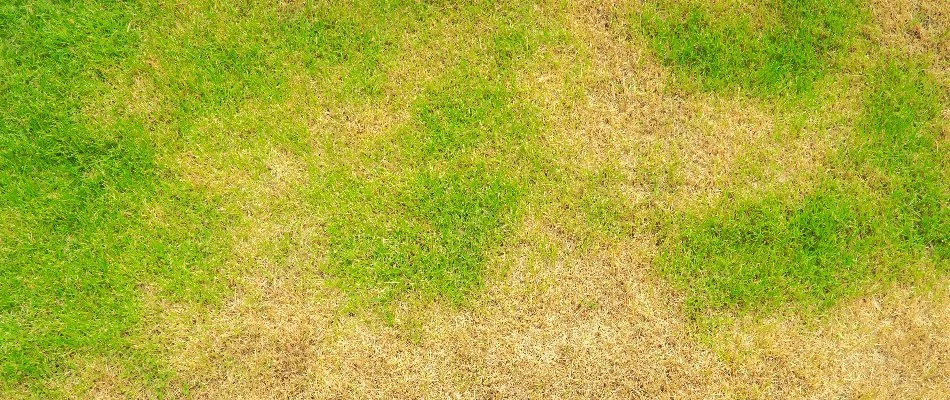
Summer patch is a fungal disease that primarily targets Kentucky bluegrass, a prevalent turfgrass in Waukee, IA. It manifests as circular patches of discolored grass, ranging from a few inches to several feet in diameter. The affected grass turns straw-brown, creating a distinct contrast with healthy areas. Often, these patches develop a frog-eye appearance, where the center remains green while the outer edges are affected.
This disease thrives in warm, humid conditions, making late spring to early fall its active season. It is particularly problematic in compacted soils with poor drainage, as these conditions create an ideal environment for the fungus. Excessive thatch, a layer of organic matter between the grass and soil, also contributes to its development by harboring the pathogen and retaining moisture.
2. Leaf Spot
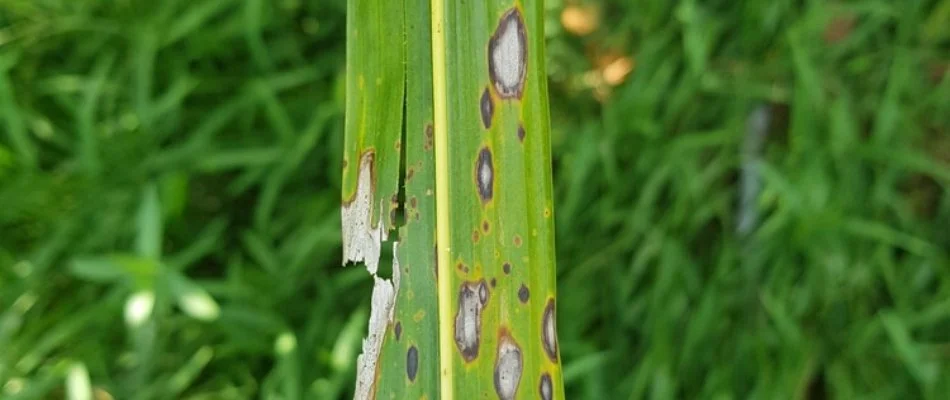
Leaf spot is characterized by small, dark lesions on grass blades, often surrounded by yellow halos. As the disease progresses, these spots merge, causing the grass to turn brown and die. It can affect various turfgrasses, including Kentucky bluegrass and perennial ryegrass, making it a widespread concern for property owners in Waukee.
Ideal conditions for leaf spot include cool, wet weather, typically occurring in spring and fall. Over-fertilization and excessive watering exacerbate the disease by promoting lush, susceptible growth. The presence of thatch and compacted soil can also contribute to the problem by providing a conducive environment for the fungus to thrive.
3. Dollar Spot
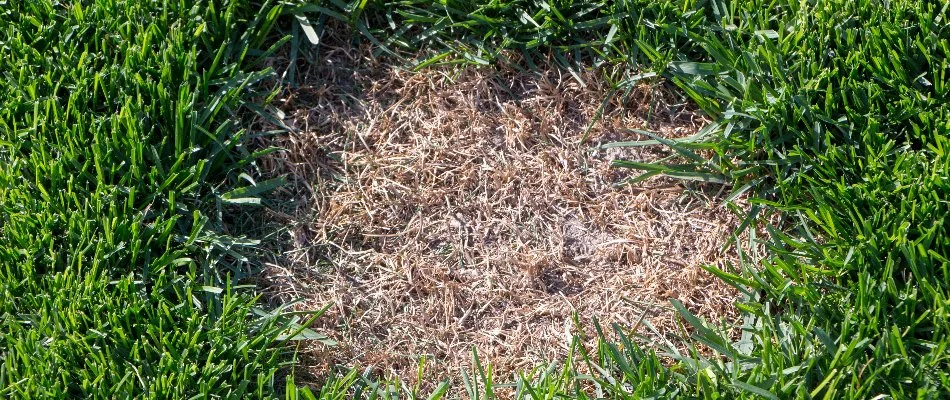
Dollar spot presents as small, circular patches of bleached grass, about the size of a silver dollar. The affected grass blades exhibit distinctive hourglass-shaped lesions with tan centers and reddish-brown margins. This disease can affect a wide range of turfgrasses, including bluegrass and fescue, making it a common issue in Waukee.
Dollar spot thrives in warm, humid weather, usually during late spring to early fall. It is often caused by low nitrogen levels and excessive moisture, which create ideal conditions for the fungus to proliferate. The presence of dew or prolonged leaf wetness can further exacerbate the disease, allowing it to spread quickly across the lawn.
4. Powdery Mildew
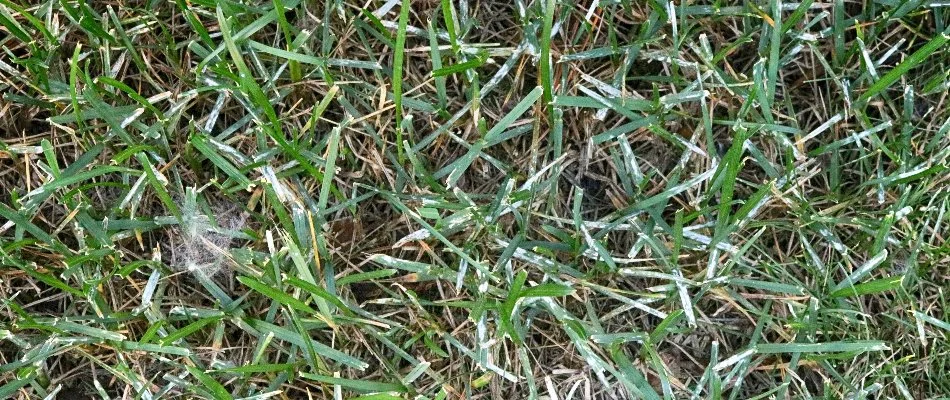
Powdery mildew is easily recognizable by the white, powdery coating it forms on grass blades. This fungal disease primarily affects shaded areas of the lawn, where air circulation is poor and sunlight is limited. As the infection progresses, the grass may turn yellow and become stunted, affecting the overall appearance of the lawn. The fungus that causes this disease becomes active in cool, humid conditions, making spring and fall its most active seasons. The disease thrives in environments with excessive shade and overcrowding, which reduce air movement and sunlight exposure. These conditions create a microclimate that is ideal for the fungus to grow and spread, leading to widespread infection.
5. Necrotic Ring Spot
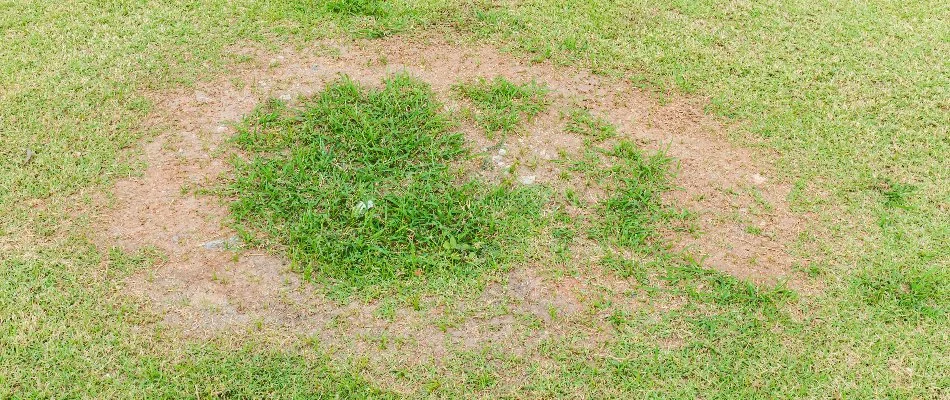
Necrotic ring spot creates circular patches of dead grass with healthy centers, similar to summer patch. The affected areas often have a sunken appearance, and the grass turns a reddish-brown color. This disease primarily targets Kentucky bluegrass, making it a significant concern for homeowners in Waukee.
It thrives in cool, wet conditions, typically appearing in spring and fall. Poor soil drainage, compaction, and over-fertilization can exacerbate necrotic ring spot by creating stress on the grass. These conditions allow the fungus to take hold and spread, leading to the characteristic ring patterns that define the disease.
Give us a call today to sign up for our lawn disease control service!
With several diseases threatening lawns in our area, it's essential to ensure yours has effective protection! Here at Outdoors by JK, we offer a lawn disease control service that includes preventative treatments to keep fungal issues from developing and spreading in the first place! If your lawn is already disease-stricken, you can schedule a curative treatment with us to stop the issue from spreading further. This service is available to commercial and residential properties, as well as HOAs, in Waukee, IA, and nearby areas like Des Moines, Urbandale, Panora, and Clive. Call us at (515) 330-1123 to sign up!




Comments (0)
Thanks for your comment!
Thanks for your feedback! Your comments have been successfully submitted! Please note, all comments require admin approval prior to display.
Error submitting comment!
There is a problem with your comment, please see below and try again.